

The Ultimate 4WD Touring Checklist for
First-Time Adventurers
There is nothing quite like the feeling of packing up the rig, leaving the bitumen behind, and pointing your 4WD toward the horizon. Whether you’re planning a quick weekend escape into the local state forest or mapping out a massive, bucket-list trek across the red dirt of the outback, Australia boasts some of the most spectacular off-road destinations on the planet.
But if it’s your first time heading out, the sheer amount of gear, modifications, and preparation can feel a bit overwhelming. Let’s let you in on a little secret: a great trip isn’t about having the most expensive, heavily modified rig on Instagram. It’s entirely about smart preparation.
To help you skip the pre-trip anxiety and head off with total confidence, we’ve put together the ultimate beginner’s 4WD touring checklist. From basic vehicle health checks to the recovery gear that will save your skin, here is everything you need to know.
1. Ensure Your Rig is Actually Adventure-Ready
A breakdown on a suburban street is an inconvenience; a breakdown in a remote national park with zero mobile reception is a full-blown emergency. Before your tires ever touch the dirt, your vehicle needs a proper health check.
Your DIY Pre-Trip Inspection:
- Fluids: Top up your engine oil, coolant, brake fluid, and even your windscreen washers.
- The Wear and Tear Stuff: Check the health of your battery, see how much meat is left on your brake pads, and inspect all belts and hoses for cracks.
- Breathing Room: Clean or replace your air filter. Off-road tracks mean a mountain of dust, and your engine needs to breathe.
- Underneath: Get under the car with a torch and inspect your suspension and steering components for any worn bushings or leaking shocks.
If you’re planning on tackling long-distance touring or heavily corrugated corrugated outback tracks, investing in professional upgrades like a heavy-duty suspension kit, a snorkel, or solid underbody bash plates will give you massive peace of mind.
2. Pack Essential Recovery Gear (And Know How to Use It)
Let’s bust a major myth right now: getting bogged isn’t a sign of failure; it’s just a standard part of 4WDing. Even the most seasoned off-road veterans get stuck from time to time. The difference between a fun adventure story and a total disaster comes down to what’s packed in your recovery kit.
The Non-Negotiable Recovery Kit:
- Recovery Tracks: (Like MAXTRAX) The absolute best, safest, and easiest way to get yourself out of soft sand or deep mud without needing another vehicle.
- Tyre Deflator & Compressor: You absolutely must drop your pressures off-road, which means you need a reliable, fast compressor to pump them back up before you hit the highway.
- A Sturdy Shovel: Never underestimate the power of simply digging away the dirt blocking your underbody or tires.
- Snatch Strap & Rated Shackles: Essential if you’re traveling with a mate and need a quick pull out of a tough spot. Make sure they are rated shackles from a reputable shop, not cheap hardware store items!
3. High-Impact Upgrades to Build Your Tourer
It’s easy to look at fully kitted-out rigs and think you need to spend twenty grand before you can leave your driveway. You don’t. Start with high-impact upgrades that genuinely improve your vehicle’s capability, storage, and safety.
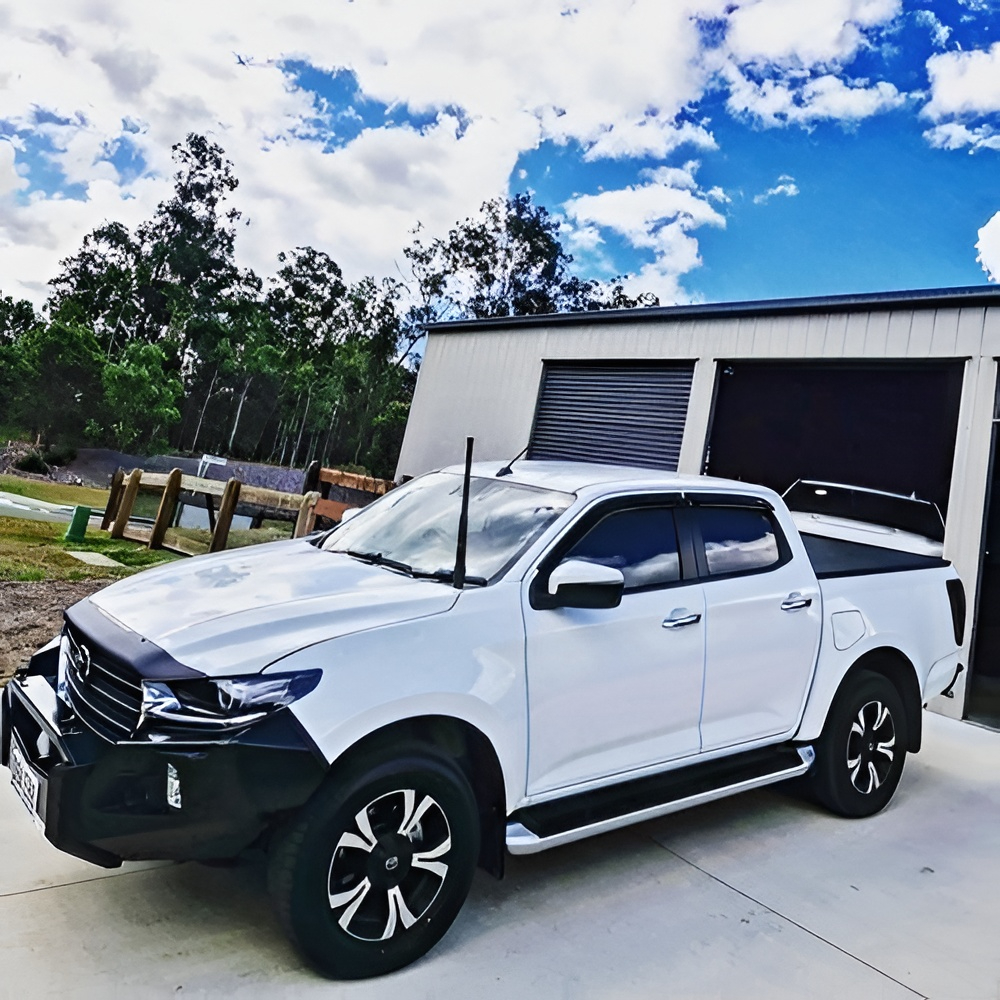
- Bull Bars: Critical for front-end protection against animal strikes, especially if you’re driving at dawn or dusk when the local wildlife is active.
- Roof Racks & Drawer Systems: Keeping your gear organized prevents everything from rattling around in the back and makes finding your camp kitchen at the end of a long drive a breeze.
- UHF Radio: Essential for communicating with oncoming trucks on dusty tracks, coordinating overtaking maneuvers, or calling for a hand.
- LED Driving Lights: Factory high-beams rarely cut it out in the pitch-black country night. Good lighting keeps you safe.
4. Don’t Skimp on a Reliable 12V Power System
Gone are the days of living out of a leaky icebox, dealing with soggy bread, and eating lukewarm canned beans. Modern touring is all about comfort, and that means running a portable fridge/freezer, keeping camp lights bright, and charging your phones, cameras, or drones.
To do that safely without draining your car’s main starter battery (leaving you stranded in the morning), you need a dedicated dual-battery system.
Pairing a high-quality secondary Lithium ($\text{LiFePO}_4$) battery with a smart DC-to DC charger allows your vehicle’s alternator to top up your power banks while you drive. Add a portable solar panel to harvest free energy while you’re parked up at camp, and you have a completely self-sustaining power grid.
5. Water, Food, and Emergency Supplies
When you’re out in the bush, you are your own first responder. Always pack with the assumption that help could be hours-or days-away.
- Water Logistics: The absolute golden rule of Australian travel is to carry at least 4 to 5 liters of drinking water per person, per day, plus an extra 2 to 3 days’ worth of emergency supply.
- Rations: Pack plenty of non-perishable food items that don’t require refrigeration just in case your fridge setup ever plays up.
- Safety First: Ensure you have a comprehensive, easily accessible first aid kit, a rated fire extinguisher, a basic mechanical toolkit, and a solid physical map or offline GPS app (never rely on Google Maps or cellular data out here!).
6. Master the Art of Tyre Management
Your tires are the only thing connecting your heavy 4WD to the earth. Off-road driving requires active tire management.
When you leave the smooth bitumen and hit sand, mud, or sharp rocks, you need to lower your tire pressures. Dropping your PSI lengthens your tire’s footprint, acting like a caterpillar track. This drastically increases your traction, smooths out the bumps, and allows the rubber to flex over sharp rocks instead of puncturing right through them. Always carry a full-sized spare tire, and practice changing it on uneven ground before you leave home.
7. Plan the Journey, but Stay Flexible
Half the fun of touring is the planning stage. Research your route thoroughly before you turn the key. Check if the national parks you want to visit require vehicle entry permits or campsite bookings.
Look up current track conditions and road closures-floods, fires, and seasonal weather can change an outback track completely in a matter of days. Most importantly, always let a family member or friend back home know your exact itinerary and when you expect to check back into civilization.
8. Leave the Ego at Home
The absolute best off-road drivers aren’t the ones who tackle the most vertical mud wall or cross the deepest river; they’re the ones who get themselves, their passengers, and their vehicle back home in one piece.
If you come across a track or a river crossing that looks too deep, too steep, or simply makes your gut feel uneasy-there is absolutely zero shame in turning around or taking the bypass track. Build your skills gradually, travel with an experienced mate if possible, and always drive to the conditions.
Start Your 4WD Adventure the Right Way
Your first 4WD trip should be exciting, eye-opening, and completely addictive. With the right checklist in your hand and a well-prepared rig, you can tackle the best off-road destinations Australia has to offer with total peace of mind.
At Amped Automotive, we live and breathe the touring lifestyle. We don’t believe in selling you gear just for the sake of it; we focus on building reliable, safe, and highly capable vehicles that get you back home every time. From expert suspension kits and custom 12V dual-battery systems straight through to high-performance lighting and touring accessories, we are here to prep your rig for real Australian adventures.
Ready to get your build started? Drop by the shop or get in touch with the team at Amped Automotive today, and let’s get you ready to explore!
FAQ Section
For your first 4WD touring trip, pack essential recovery gear, extra water, food supplies, a first aid kit, navigation tools, spare tyres, and camping equipment. It’s also important to ensure your vehicle is properly serviced before departure.
A dual battery system is highly recommended for touring, especially if you plan to use camping fridges, lights, or charging devices. It helps power accessories without draining your vehicle’s starter battery.
Tyre pressure depends on the terrain. Lower pressures are typically used for sand, rocky tracks, and rough terrain to improve traction and ride comfort. Always adjust pressures carefully and reinflate tyres when returning to sealed roads.
Yes, recovery gear is essential even for beginners. Basic equipment like recovery tracks, snatch straps, shackles, and an air compressor can help you safely recover your vehicle if you get stuck.
Preparation includes servicing your vehicle, checking tyres and suspension, upgrading storage systems, installing touring accessories, and carrying emergency supplies. Planning your route and fuel stops is equally important.
Suspension upgrades can improve ride comfort, load handling, towing stability, and offroad performance, especially for heavily loaded touring vehicles.
Avoid travelling alone in remote areas and always let someone know your planned route and expected return time. Staying within your driving skill level is also crucial for safety.

Comments are closed